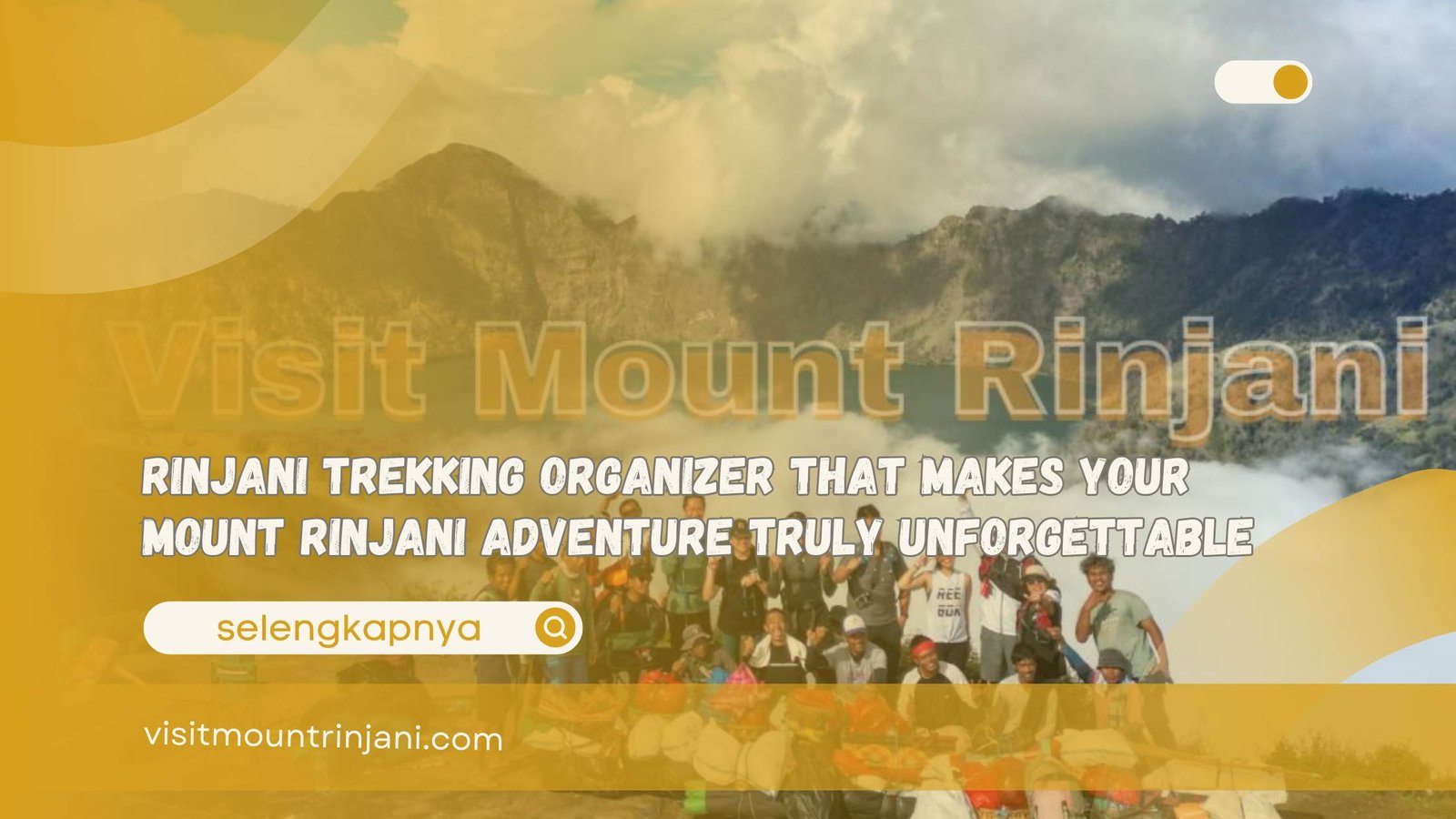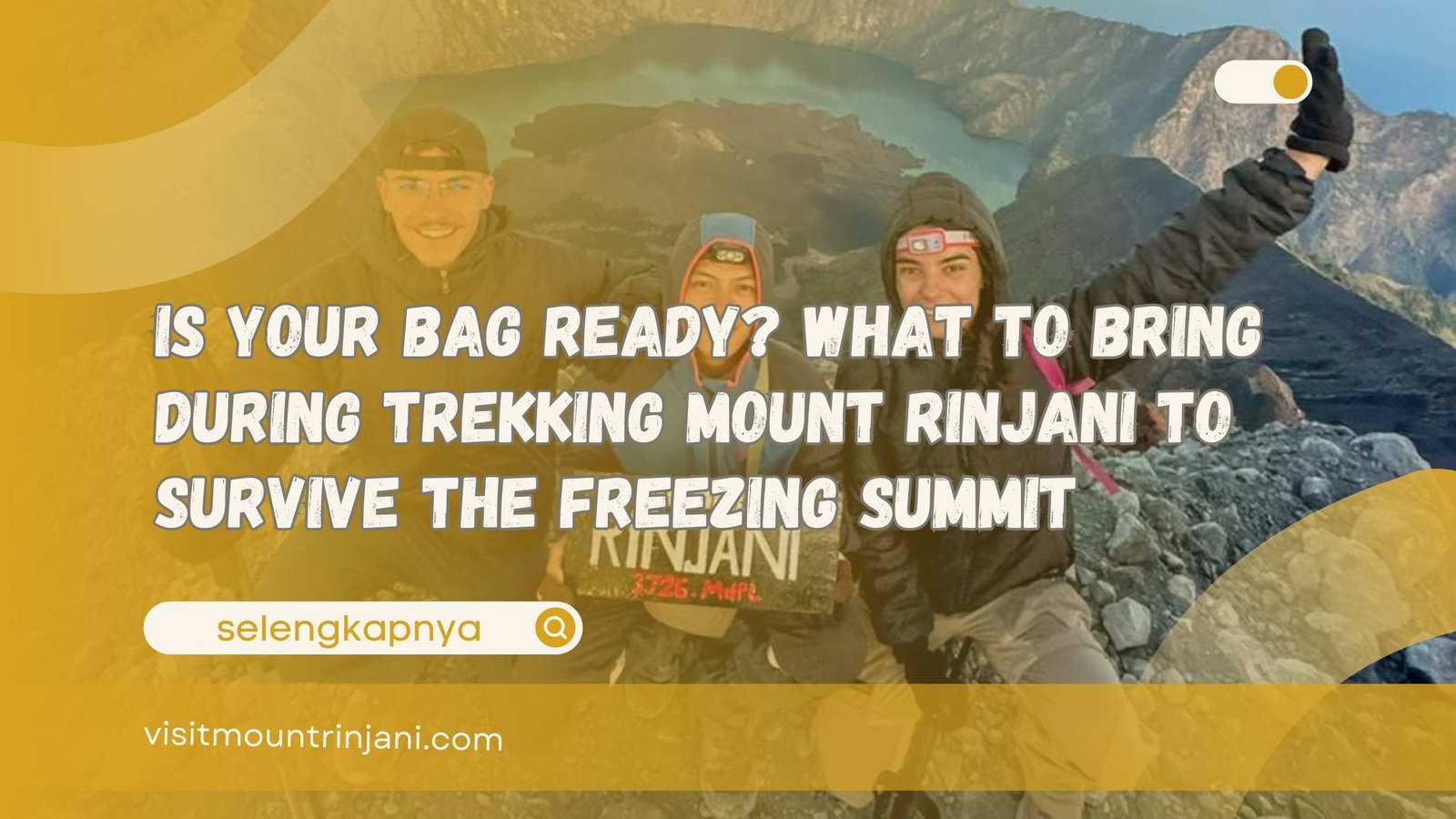

The Rinjani hike is often described as one of Southeast Asia’s most brutal yet rewarding adventures, and that reputation is not exaggerated. Every year, thousands of hikers willingly sign up for aching legs, thin air, and sleepless nights just to stand on Mount Rinjani’s legendary trails. But beneath the Instagram photos and summit smiles, there is a raw truth that many travelers only discover once they are already climbing.
You might be wondering whether the struggle is truly justified or if the Rinjani hike is simply overrated hype. This article strips away the romanticized version and delivers an honest, experience-based perspective. By the end, you will know exactly what you are signing up for and whether this challenge deserves a spot on your adventure list.
What Makes the Rinjani Hike So Famous
Mount Rinjani is the second-highest volcano in Indonesia, rising dramatically on Lombok Island. Its massive caldera, turquoise crater lake, and active volcanic cone create landscapes that feel almost unreal. The Rinjani hike has gained global recognition because it combines extreme physical challenge with rare natural beauty.
Unlike casual mountain walks, this trek tests endurance, mental strength, and preparation. The terrain changes constantly, from dry savanna to loose volcanic sand and steep jungle paths. That variety is exactly what makes the experience unforgettable for those who finish it.
Baca Juga: Rinjani Is Located In Lombok! The Shocking Location Facts That Make Hikers Worldwide Obsessed
The Physical Reality of the Rinjani Hike
The Rinjani hike is physically demanding even for experienced trekkers. Long ascents, unstable ground, and high elevation push your body to its limits. Muscle fatigue starts early and often lingers for days after the trek ends.
Weather conditions can also intensify the challenge. Intense sun during the day and freezing temperatures at night create extreme contrasts. If you underestimate the physical toll, the mountain will quickly remind you who is in control.
Mental Challenges You Should Expect
Beyond the physical strain, the Rinjani hike demands strong mental resilience. Exhaustion can cloud judgment and drain motivation, especially during summit attempts. Many hikers question their decision halfway through the climb.
Isolation adds another layer of difficulty. Mobile signals are unreliable, and you are completely immersed in nature. This mental pressure can be overwhelming, but for many, overcoming it becomes the most rewarding part of the journey.
Why People Still Choose the Rinjani Hike
Despite the pain, people continue to return to Mount Rinjani year after year. The sense of accomplishment at the summit is powerful and deeply personal. Completing the Rinjani hike often becomes a defining travel memory.
There is also a strong emotional connection formed with fellow hikers and guides. Shared hardship builds instant bonds and unforgettable stories. For many travelers, this human connection is just as meaningful as the scenery.
Key Realities You Must Know Before Attempting the Rinjani Hike
Here are some important facts you should know before attempting to climb Mount Rinjani:
1. The Summit Push Is Relentless
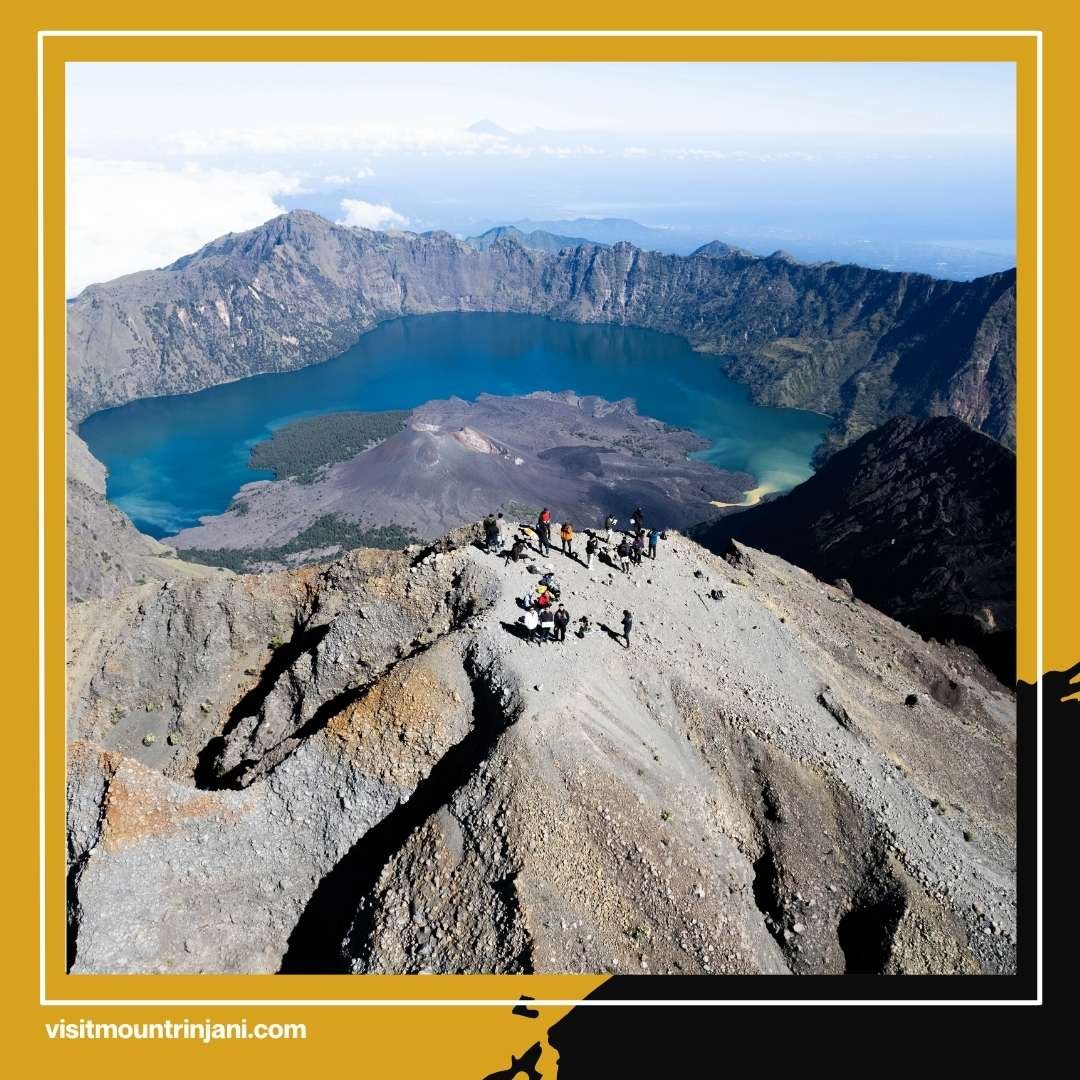
The final ascent during the Rinjani hike is widely considered the hardest part of the entire journey. Loose volcanic sand causes every step forward to slide halfway back. Progress feels painfully slow, testing your patience and stamina.
Mentally, this section can feel endless. The darkness, cold wind, and exhaustion combine into a brutal experience. Reaching the summit feels less like victory and more like survival.
2. The Views Truly Are World-Class
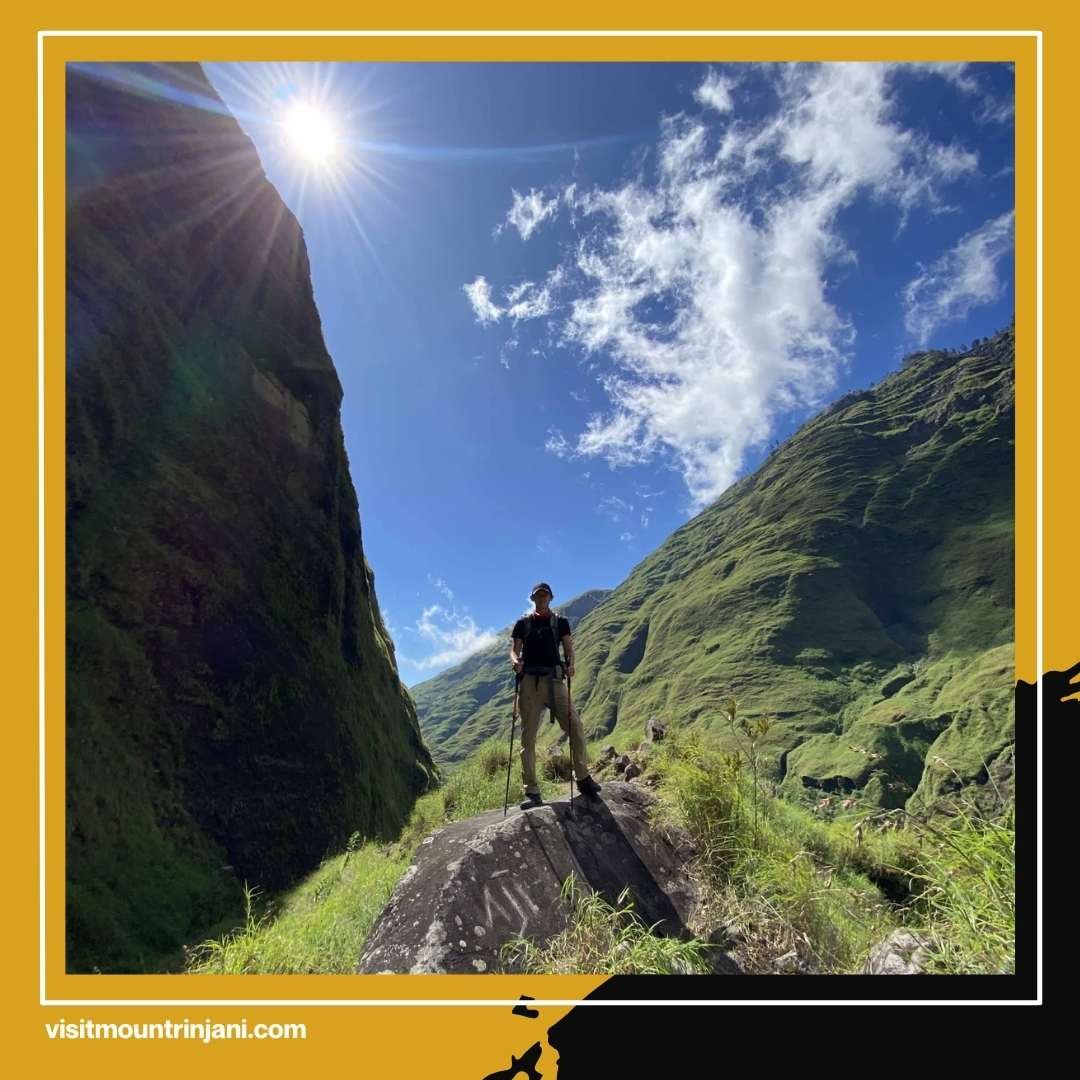
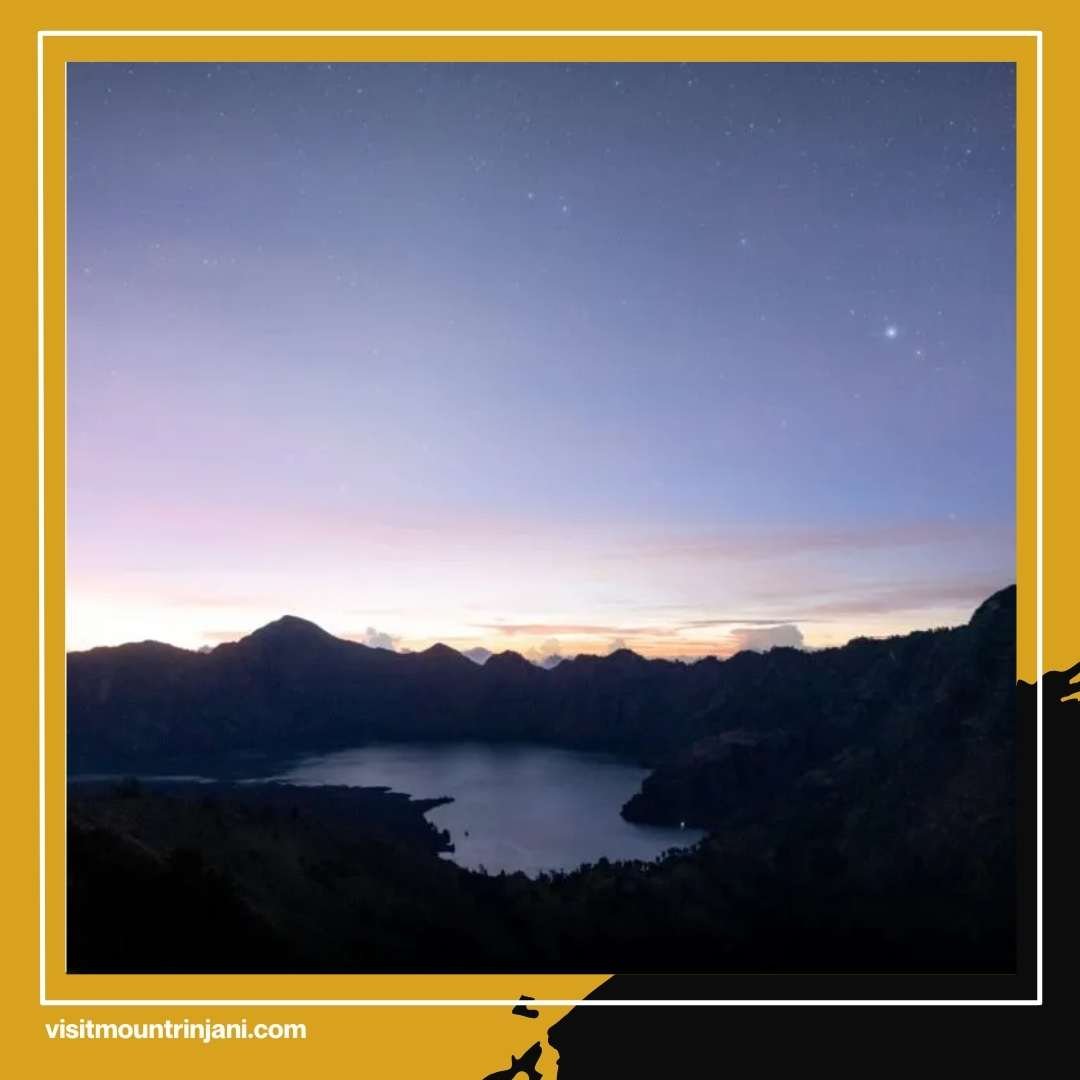
Despite the struggle, the panoramic views from Mount Rinjani are extraordinary. Sunrise reveals the crater lake, surrounding islands, and distant ocean in breathtaking clarity. These moments make the Rinjani hike famous worldwide.
The scenery constantly changes throughout the trek. Each new viewpoint feels like a reward earned through effort. This visual payoff is often what hikers remember most vividly.
3. Altitude Affects More People Than Expected
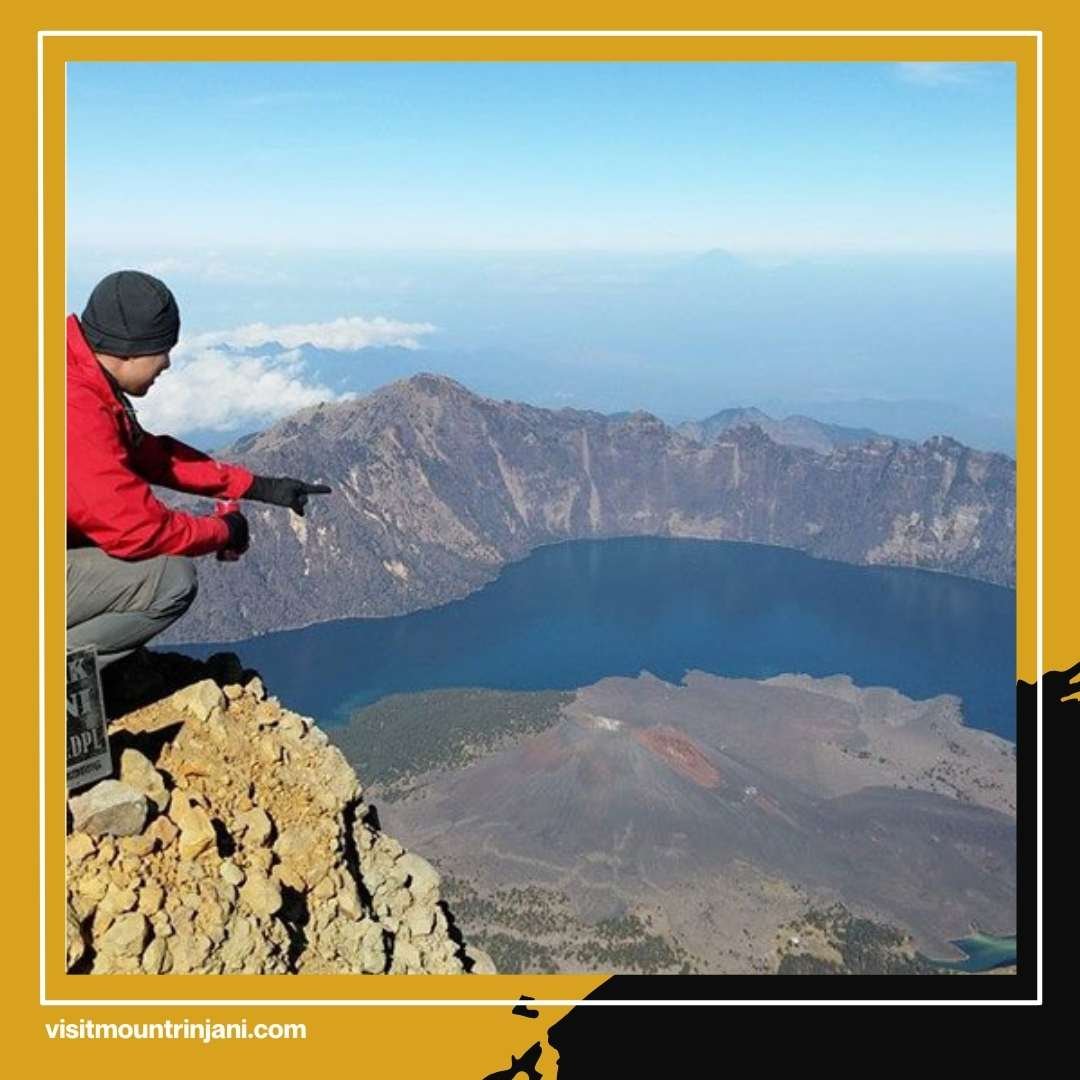
Altitude sickness is a real concern on the Rinjani hike. Even fit hikers can experience headaches, nausea, or dizziness. Ignoring early symptoms can quickly turn dangerous.
Proper acclimatization and hydration are essential. Guides play a critical role in monitoring hikers’ conditions. Taking altitude seriously can mean the difference between success and forced descent.
4. Porters and Guides Are Essential, Not Optional
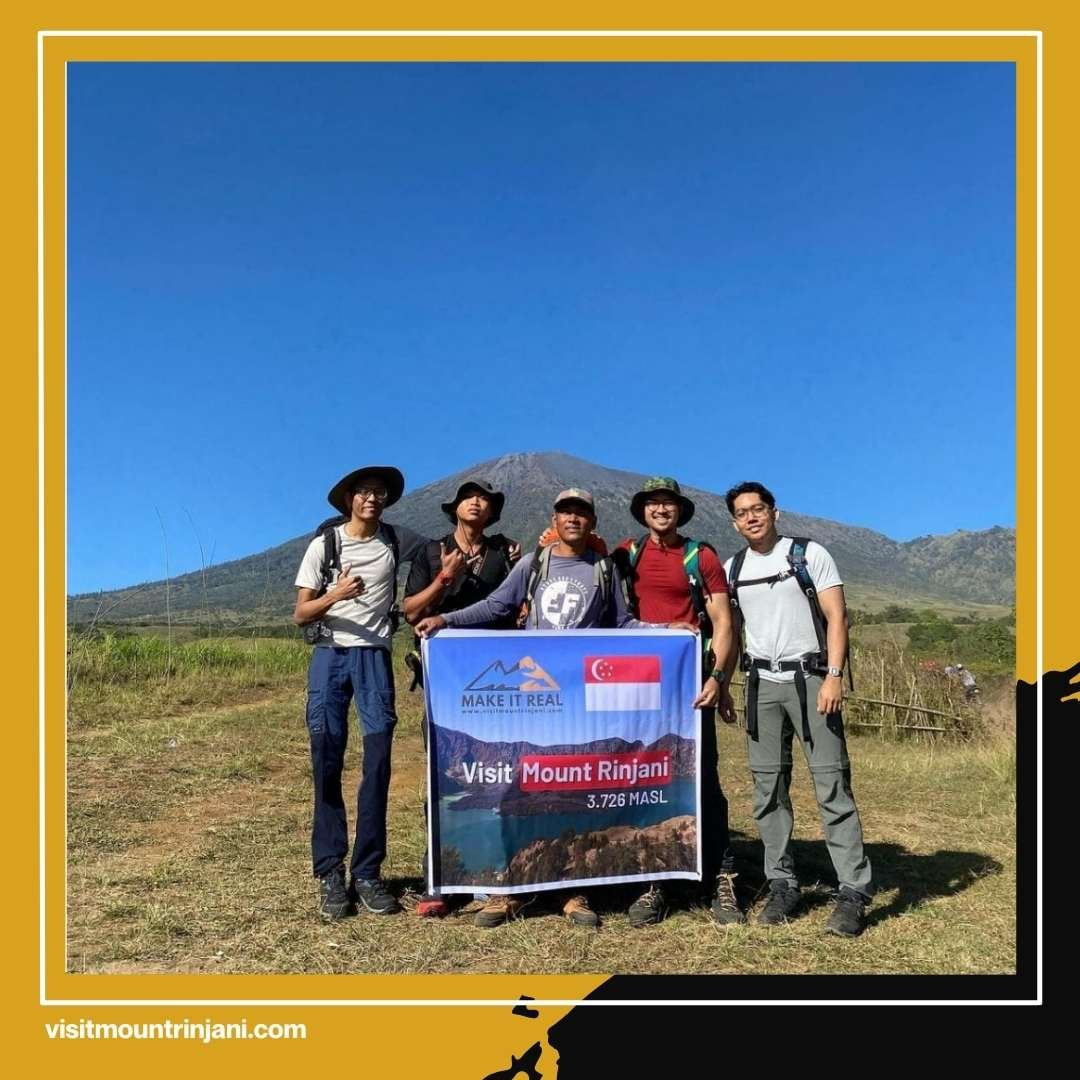
Local guides and porters are the backbone of every successful Rinjani hike. They manage logistics, carry supplies, and ensure safety throughout the trek. Their experience allows hikers to focus on the climb itself.
These professionals also contribute to environmental preservation. They carry trash back down the mountain, keeping Rinjani clean. Hiring ethical trekking companies directly supports local communities.
5. Weather Can Change Everything Instantly
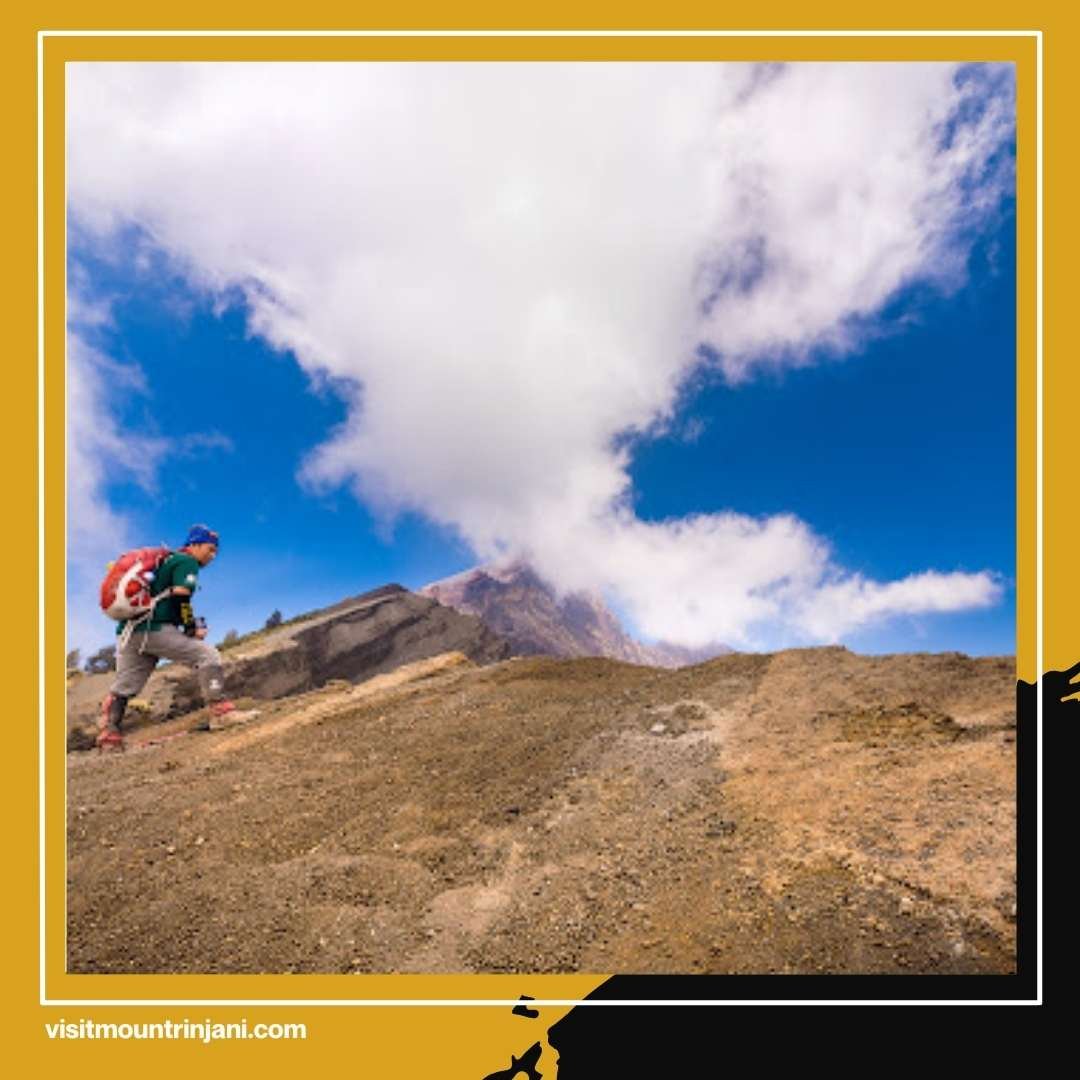
Weather on Mount Rinjani is unpredictable. Clear skies can quickly turn into heavy fog or strong winds. Such changes can delay or cancel summit attempts without warning.
Flexibility is crucial when planning your Rinjani hike. Accepting that nature controls the schedule reduces frustration. Safety always takes priority over reaching the top.
6. Recovery Time Is Often Underestimated
Many hikers underestimate how long it takes to recover after the Rinjani hike. Muscle soreness, fatigue, and dehydration can last several days. Scheduling rest time afterward is highly recommended.
Rushing into other activities immediately after the trek can ruin the experience. Proper recovery allows you to fully appreciate what you have accomplished. Listening to your body is essential.
Choosing the Right Route for the Rinjani Hike
Mount Rinjani offers several trekking routes, each with distinct characteristics. Sembalun is popular for summit attempts due to its gradual initial ascent. Senaru offers lush jungle scenery and access to waterfalls.
The Torean route provides dramatic river valleys and unique landscapes. Choosing the right route depends on your fitness level and expectations. Experienced operators help match hikers with the most suitable trail.
Why Guided Treks Are Strongly Recommended
Attempting the Rinjani hike without professional guidance is risky. Navigation errors, sudden weather changes, and altitude issues require experienced decision-making. Licensed guides are trained to handle emergencies.
Guided treks also enhance the cultural experience. Guides share local stories, traditions, and insights that enrich the journey. This deeper connection transforms the hike into more than just a physical challenge.
Is the Rinjani Hike Worth the Pain?
The answer depends entirely on what you value in an adventure. If comfort and ease are priorities, the Rinjani hike may feel overwhelming. However, if you seek personal growth through challenge, it delivers profoundly.
The pain is temporary, but the memory lasts a lifetime. Many hikers describe the experience as transformative. For those prepared and committed, the Rinjani hike is absolutely worth it.
Ready for the Peak? Start Your Rinjani Adventure Today
If you are serious about taking on the Rinjani hike, choosing a trusted and experienced operator is essential. Visit Mount Rinjani is one of the most reputable trekking companies, with over 20 years of experience guiding expeditions on Mount Rinjani. Their professional staff has helped more than 10,000 international travelers create unforgettable memories across the most popular routes, including Torean, Sembalun, and Senaru.
Beyond safety and comfort, Visit Mount Rinjani is deeply committed to environmental responsibility. Their guides and porters ensure all trash is carried back down the mountain, helping preserve Rinjani’s natural beauty. You can explore their services at https://www.visitmountrinjani.com/ or contact them directly via WhatsApp:
Message us directly via WhatsApp:
to start planning your adventure today.