
The Mount Rinjani temperature has become one of the most talked-about topics among hikers in 2026especially as unpredictable weather patterns continue to surprise even seasoned trekkers. From warm tropical trails at the base to near-freezing conditions at the summitthe mountain delivers a dramatic climate shift that can catch unprepared hikers off guard. Understanding these temperature changes is no longer optional, it’s essential for safety and comfort.
In recent monthsreports suggest colder windsheavier rainfalland more intense night chills compared to previous years. This raises an important question: is 2026 truly experiencing the coldest conditions ever recorded on Mount Rinjani? If you’re planning to hike or simply curious about the mountain’s climatethis guide will break down everything you need to know.
Understanding Mount Rinjani temperature by elevation
One of the most fascinating aspects of Mount Rinjani is how drastically the temperature changes with altitude. At the base villages like Senaru and Sembalunthe climate feels tropical and warmwith temperatures ranging between 20–30°C. This often gives hikers a false sense of comfort before the real challenge begins.
As you ascendthe temperature drops significantly. By the time you reach higher camps such as the crater rimnighttime temperatures can fall to 8–15°Cand even lower when strong winds hit. At the summit (3,726 meters)temperatures can drop to 0–5°C, and with wind chillit can feel like -5°C or colder.
Why 2026 feels colder than usual
Weather patterns in 2026 have shown a noticeable shiftparticularly during the rainy season from November to March. Increased rainfallpersistent cloud coverand strong winds contribute to colder perceived temperatures across the mountain. Even daytime hikes can feel cooler due to reduced sunlight exposure.
Forecast data indicates that summit temperatures are hovering between 7–10°C during the day and dropping close to freezing at night. Combined with high humidity and wind chillmany hikers report feeling colder than expected compared to previous years. This makes preparation more critical than ever.
Temperature Zones You Must Understand
Before diving into practical tipsit’s important to understand how temperature varies across key trekking on Mount Rinjani.
1. Base Camp Senaru and Sembalun

At the basetemperatures are relatively warm and comfortable. Daytime conditions range from 22–30°Cwhile nights are mild at 14–22°C. This is where most trekkers begin their journeyoften underestimating the colder conditions ahead.
Because the climate feels tropicalmany hikers dress too lightly at the start. This can become a problem as they gain elevation and temperatures begin to drop. Proper layering should start from the basenot halfway up.
2. Segara Anak Lake

Located around 2,000 meters above sea levelSegara Anak Lake offers slightly cooler but still manageable temperatures. During the dayit ranges between 20–25°Cwhile nighttime temperatures fall to 10–15°C. The lake’s proximity to geothermal activity can make certain spots feel warmer.
Howeverhumidity around the lake can make the air feel colder than the actual temperature. Morning mist and wind can also reduce comfort levels significantly. Campers should always have insulating layers ready.
3. Crater Rim Campsites

Camping at the crater rim is one of the most popular experiences on Mount Rinjani. Night temperatures here typically range from 8–12°Cbut wind exposure can make it feel much colder. Strong gusts are common and can intensify the chill factor.
This is often where trekkers first experience real cold discomfort. Without proper gear like thermal jacketsglovesand windproof layersnights can become extremely challenging. Sleeping bags rated for low temperatures are highly recommended.
4. Summit of Mount Rinjani

The summit push is where temperatures reach their lowest. Night climbs often begin around 2–3 AMwith temperatures between 0–5°C or lower. Wind chill can push the perceived temperature below freezing.
This extreme cold is what makes summit attempts both thrilling and demanding. Hikers must be fully prepared with layered clothinghead protectionand proper gloves. Without thesereaching the summit safely becomes much harder.
5. Daytime heat on the trail

Interestinglydespite cold nightsdaytime temperatures on Mount Rinjani can still reach 25–35°C in exposed areas. This contrast between hot days and cold nights is one of the mountain’s defining characteristics.
Trekkers must prepare for both extremes simultaneously. Lightweight breathable clothing is essential for daytimewhile insulating layers are crucial for evenings. Managing sweat is also important to avoid feeling colder later.
6. Rainy season impact
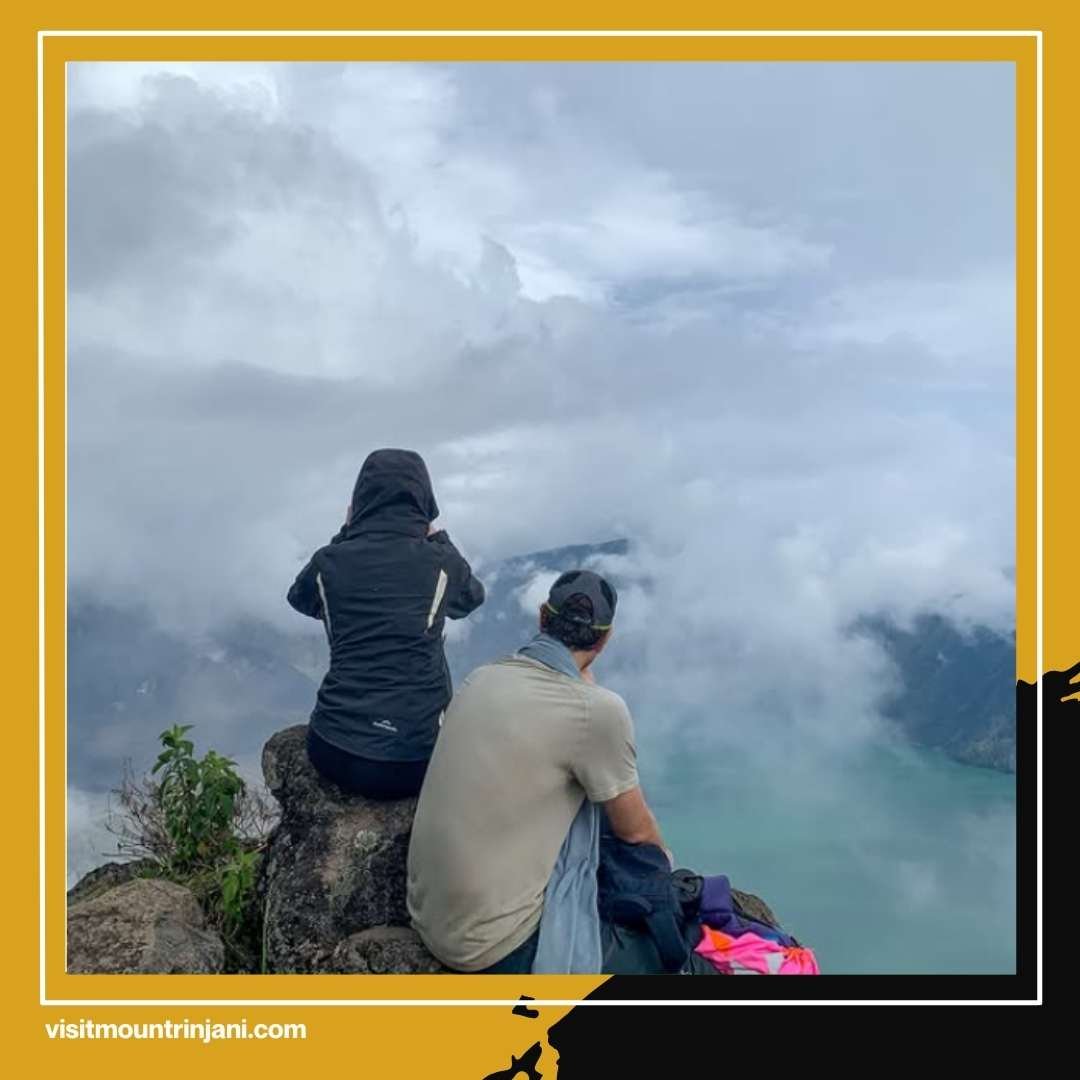
During the rainy seasonespecially in February 2026conditions become wetter and colder. Temperatures at higher elevations range from 6–11°Cwith frequent and slippery trails. Visibility can also drop due to fog and clouds.
Because of these risksthe trekking routes are often officially closed during January to March. Safety becomes a major concernand hikers are strongly advised to check official park updates before planning a trip.
Essential gear to handle Mount Rinjani temperature
Preparing for Mount Rinjani’s temperature extremes requires smart packing. Firstlayering is key, start with moisture-wicking base layersfollowed by insulating mid-layersand finish with a windproof outer shell. This allows you to adjust clothing as temperatures change.
Secondinvest in quality gear such as a cold-rated sleeping bagthermal glovesand a warm hat. Footwear should also be suitable for both wet and dry conditions. Being properly equipped can make the difference between an enjoyable trek and a difficult one.
Safety tips for cold weather trekking
Cold temperatures can lead to serious risks such as hypothermia if not managed properly. Always stay dryas wet clothing significantly increases heat loss. Drinking warm fluids and eating high-energy foods can help maintain body temperature.
It’s also important to recognize early signs of cold stresssuch as shivering and fatigue. If conditions become too extremeit’s better to descend or seek shelter rather than push forward. Safety should always come first.
Is 2026 really the coldest year?
While 2026 has shown colder tendenciesit’s difficult to declare it the absolute coldest year on record. Weather conditions on Mount Rinjani vary annually due to climate patternsrainfall intensityand wind behavior.
Howeverwhat’s clear is that conditions are becoming less predictable. This makes preparationawarenessand flexibility more important than ever for anyone planning a trek.
Don’t Just Dream It, Trek It. Plan Your 2026 Climb
The Mount Rinjani temperature in 2026 highlights just how dynamic and challenging this can be. From warm tropical beginnings to freezing summit conditionsevery of the journey demands proper preparation and respect for nature. Understanding these temperature variations is essential for a safe and memorable trekking experience.
If you’re planning your adventuretrust experienced professionals who understand the mountain inside out. Visit Mount Rinjani has over 20 years of experience guiding trekkers and has served more than 10,000 international. Their expert team ensures safetycomfortand unforgettable moments while also protecting the mountain by managing waste responsibly. Start your journey today https://www.visitmountrinjani.com/. Or:
Message us directly via WhatsApp: