The truth about rinjani temperature often catches even experienced hikers off guard, turning what seems like a tropical adventure into a surprisingly cold expedition. Many travelers assume Mount Rinjani offers warm conditions year-round, but the reality shifts dramatically with elevation and time of day. Understanding these temperature patterns can make the difference between a comfortable trek and a challenging, even risky journey.
From mild warmth at the base to near-freezing conditions at the summit, Mount Rinjani delivers a full spectrum of climates within a single hike. These rapid changes demand preparation, awareness, and the right gear to stay safe and enjoy the experience. If you are planning to conquer this iconic Indonesian volcano, knowing what to expect is not just helpful, it is essential.
Why Rinjani Temperature Changes So Dramatically
Mount Rinjani stands at 3,726 meters above sea level, creating a natural gradient where temperature drops significantly as altitude increases. At lower elevations like Sembalun or Senaru, temperatures are relatively mild, often ranging between 11.5°C and 12°C during the dry season. However, as you ascend higher, the air becomes thinner and colder, leading to more extreme conditions.
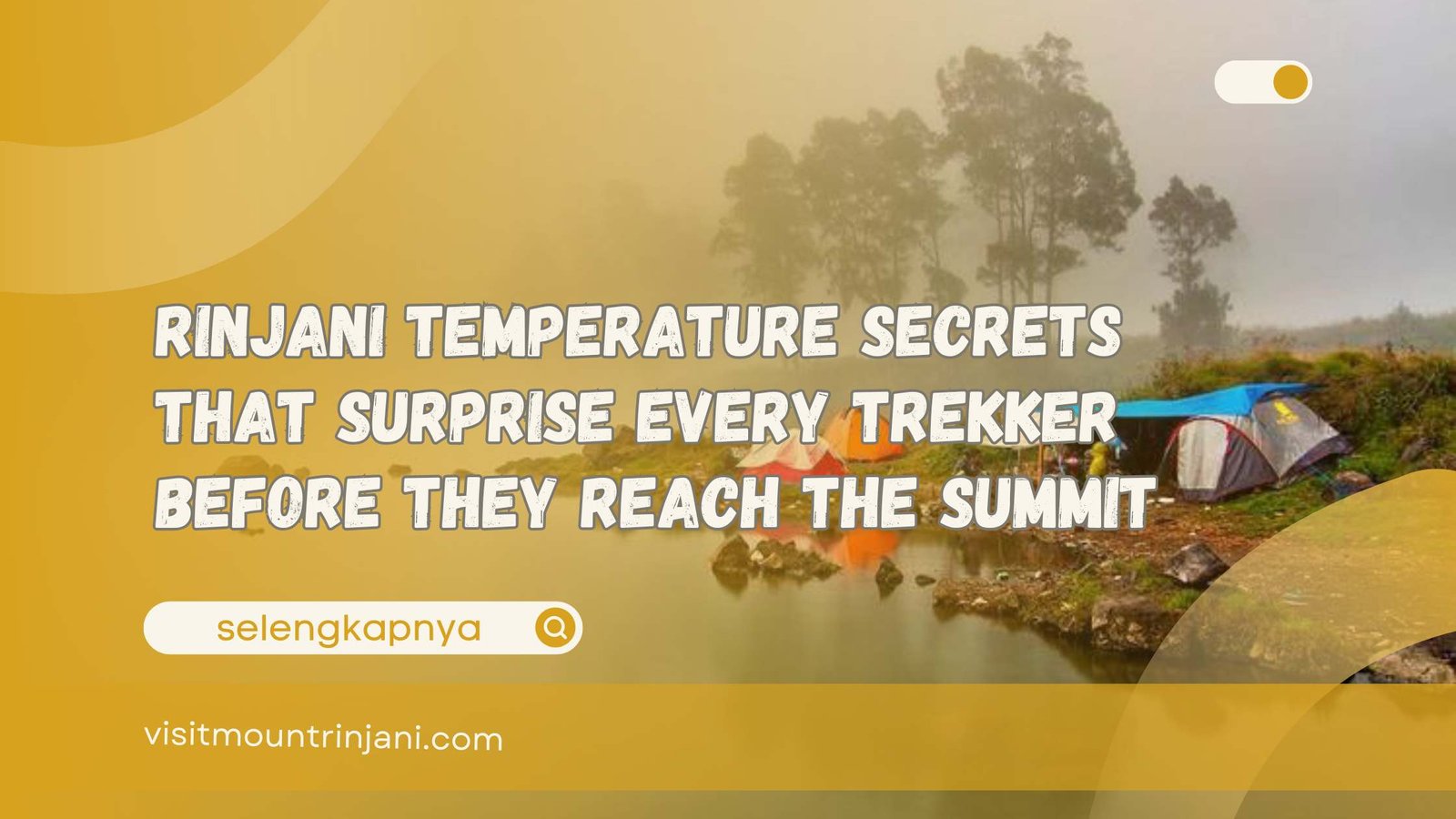
Around Segara Anak Lake, located at approximately 2,000 meters, temperatures average about 20°C during the day but can fall to around 12°C at night. This fluctuation means trekkers must be prepared for both warm hiking conditions and chilly evenings. The summit, however, presents the most intense climate, with temperatures often hovering between 0°C and 3°C before sunrise, sometimes feeling even colder due to wind chill.
Also Read: Affordable Mount Rinjani Trek Package | Enjoy Rinjani’s Beauty on a Budget
Current Rinjani Temperature Conditions
As of April 1, 2026, temperatures around the Mount Rinjani region range between 19°C and 26°C. While this may sound comfortable, it only reflects the base conditions and not the trekking environment. Climbers should expect a completely different climate as they gain altitude.
These varying conditions make Rinjani one of the most unique trekking destinations in Southeast Asia. Unlike many tropical mountains, it offers an alpine-like experience at higher elevations. This diversity is part of what makes the trek so appealing, but also why proper preparation is crucial.
Essential Facts About Rinjani Temperature You Must Know
Before starting your journey, it is important to understand how temperature impacts your trekking experience. Below are key insights that will help you prepare effectively and avoid common mistakes.
1. Temperature Drops Rapidly With Altitude
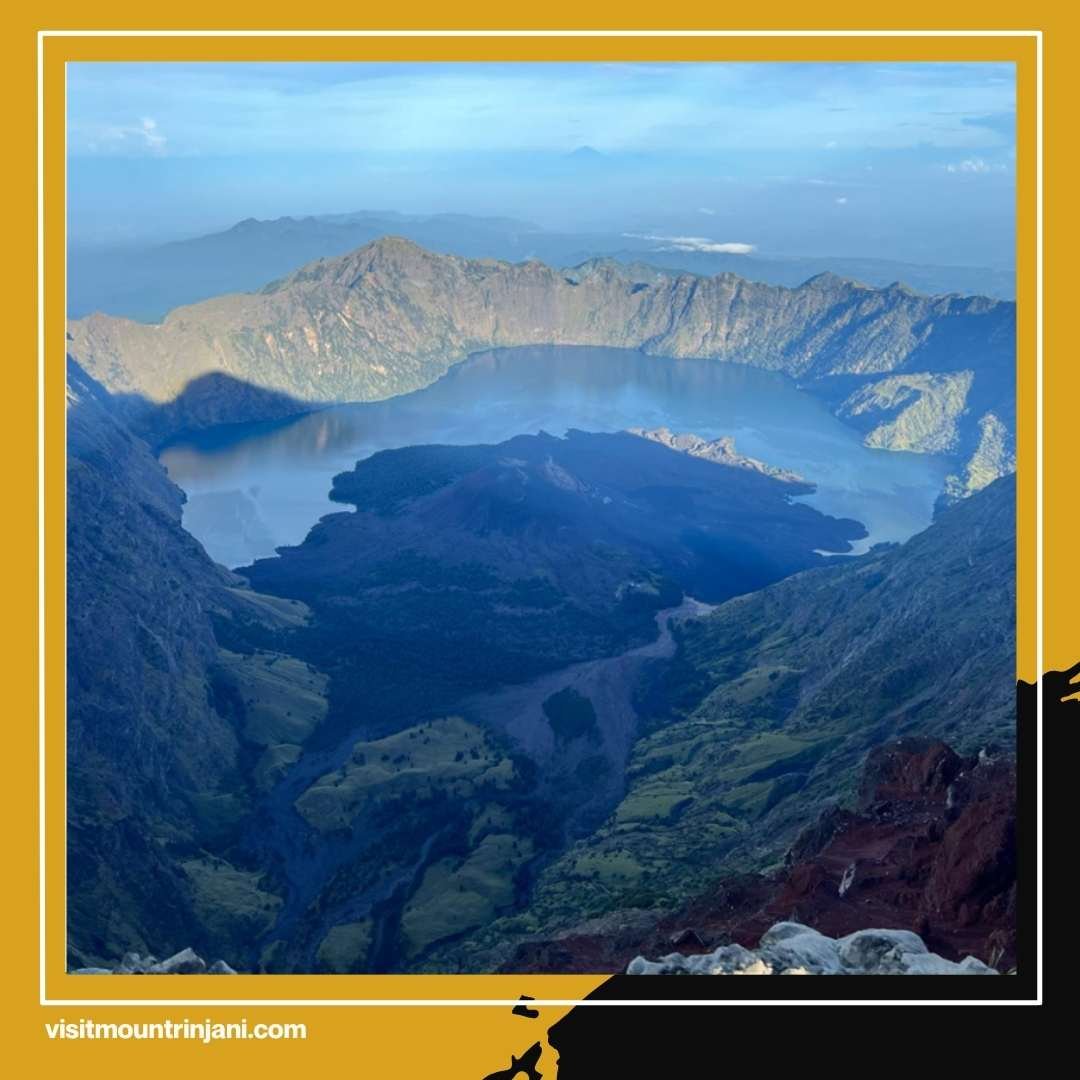
As you climb higher, the temperature decreases significantly with every 1,000 meters gained. This is a natural phenomenon caused by reduced air pressure and thinner atmosphere.
Trekkers often underestimate how quickly the climate changes, especially when starting in warm conditions. Wearing layered clothing is essential to adapt to these shifts without compromising comfort.
2. Night Temperatures Can Be Extremely Cold
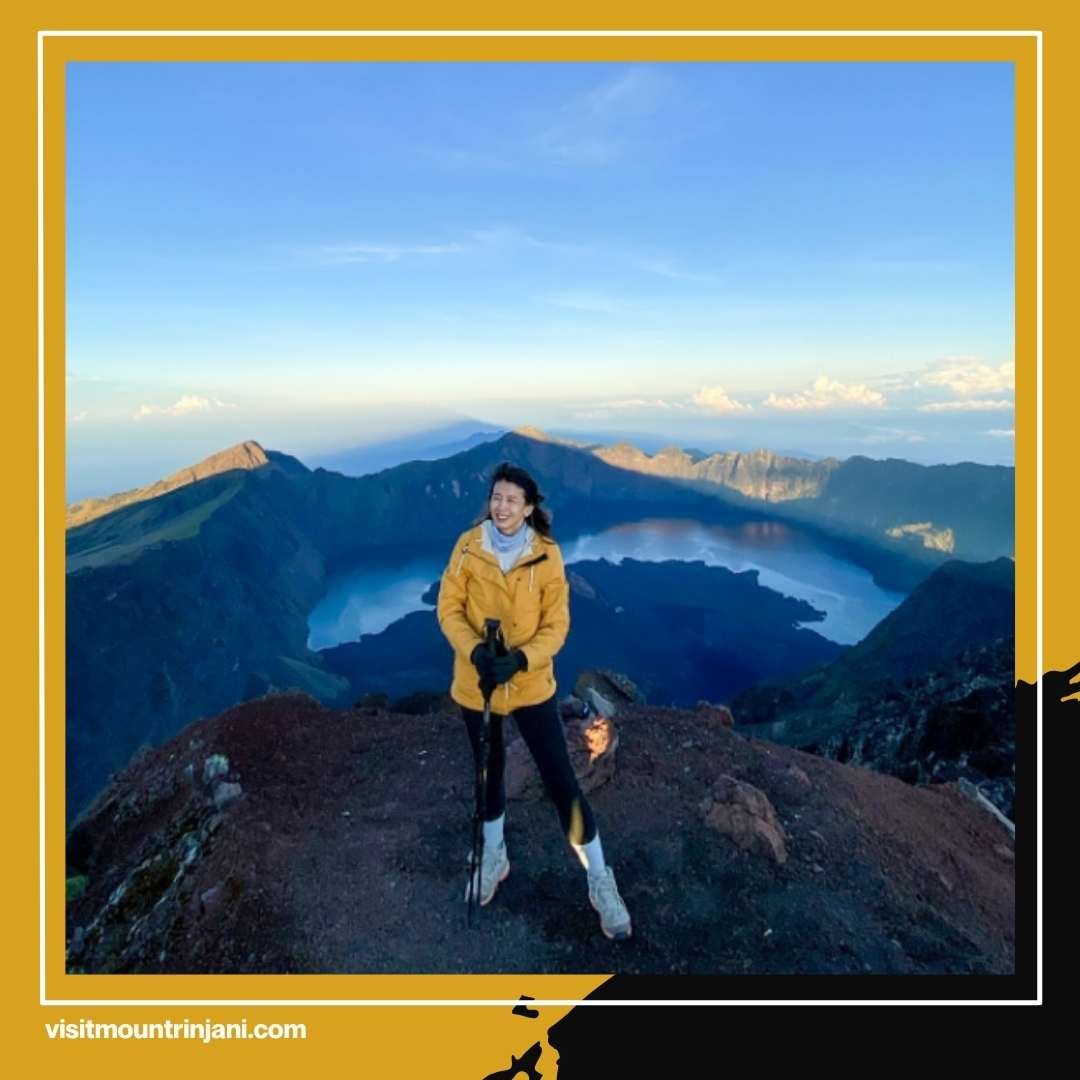
Even at mid-level camps like Segara Anak, nighttime temperatures can drop sharply. Many hikers are surprised by how cold it feels once the sun sets.
At the summit, pre-dawn conditions are the coldest, often reaching near freezing. Proper sleeping gear and insulated clothing are necessary to ensure safety and rest.
3. Wind Chill Makes It Feel Colder Than It Is
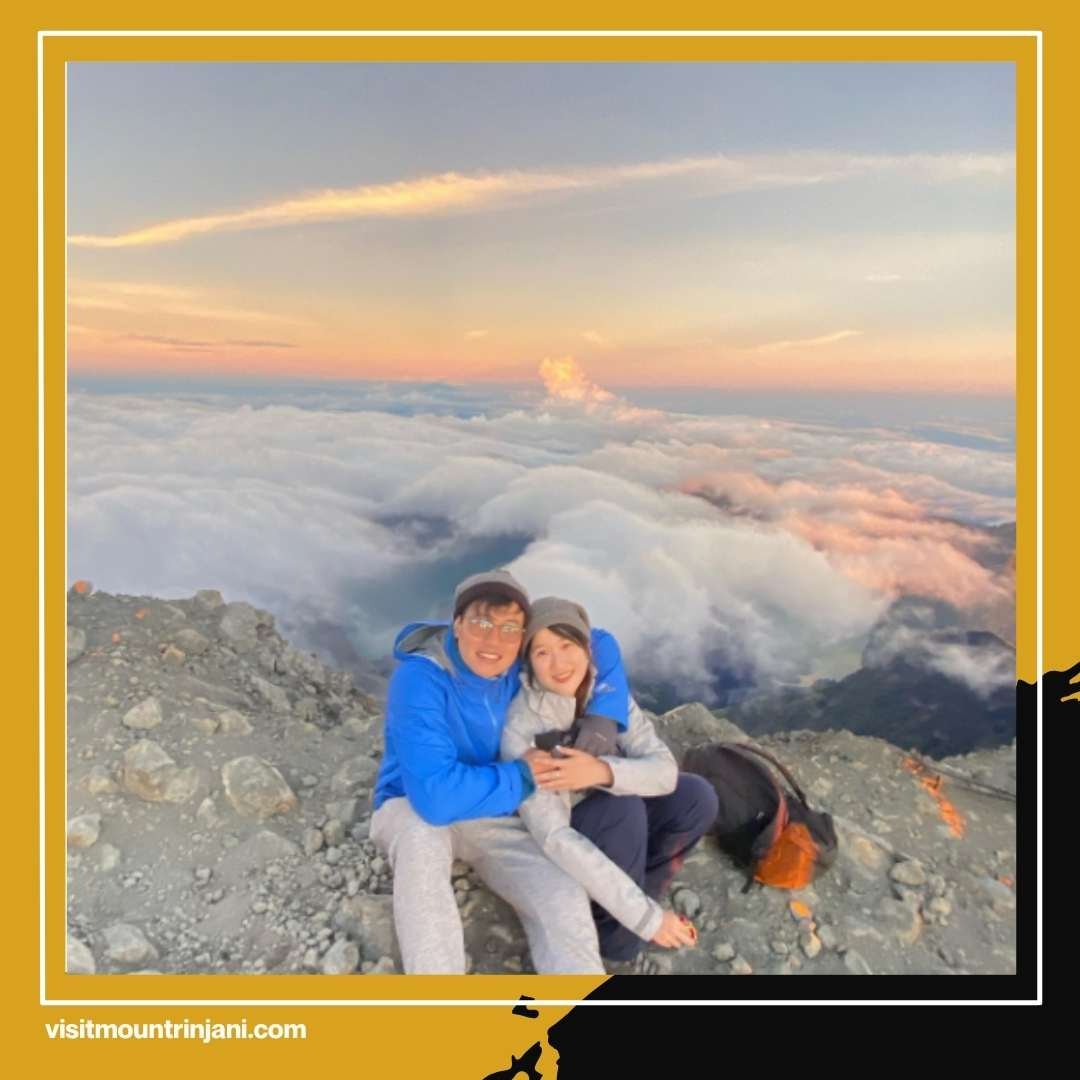
Wind at higher elevations can significantly lower the perceived temperature. Even if the actual reading is around 3°C, strong winds can make it feel below freezing.
This effect can lead to discomfort or even hypothermia if not properly managed. Windproof jackets and gloves are highly recommended for summit attempts.
4. Daytime Heat Can Still Be Intense
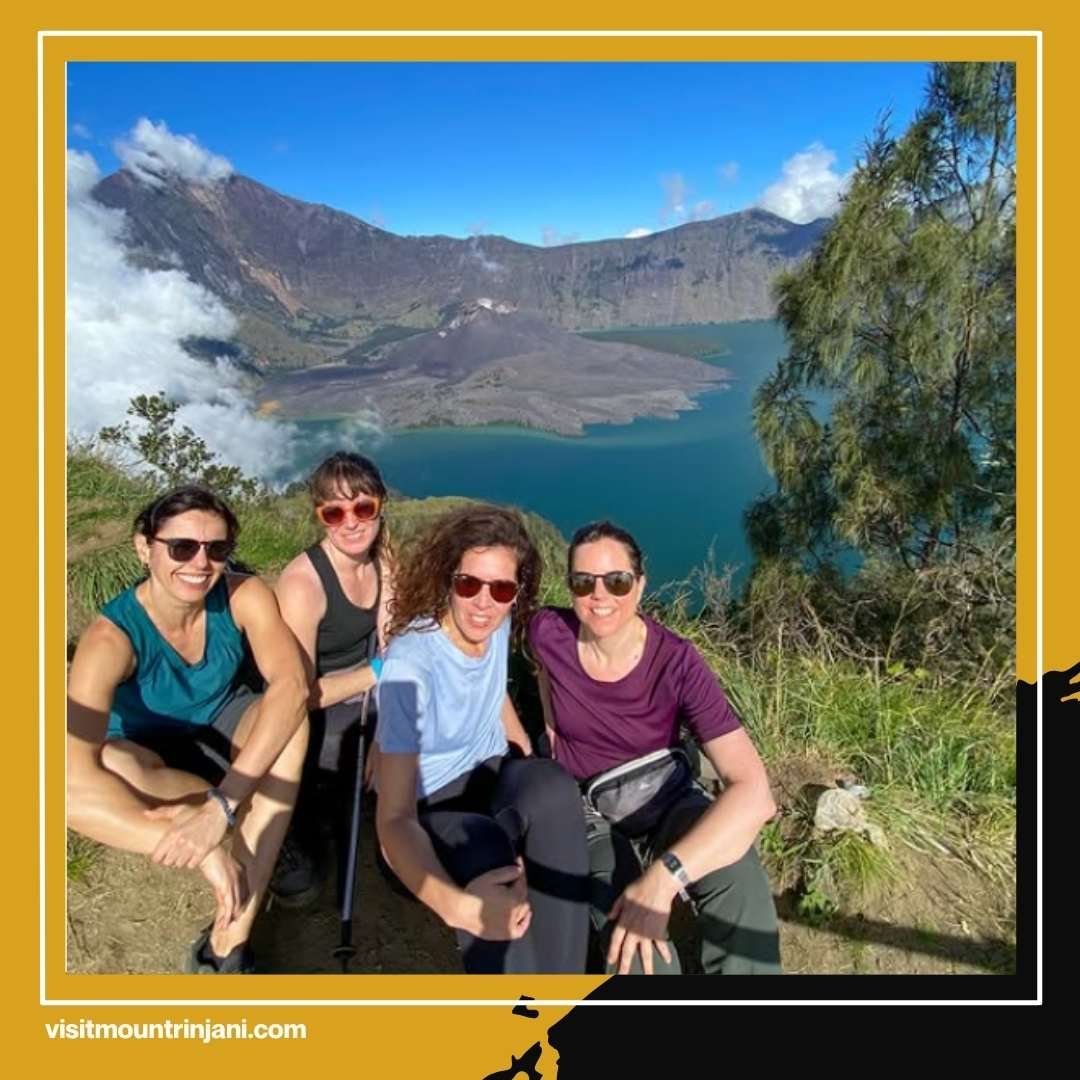
Despite cold nights, daytime trekking under the sun can feel quite hot, especially at lower elevations. The tropical sun combined with physical exertion increases body temperature quickly.
This contrast between hot days and cold nights requires careful planning. Hydration and breathable clothing are just as important as warm gear.
5. Seasonal Variations Affect Temperature
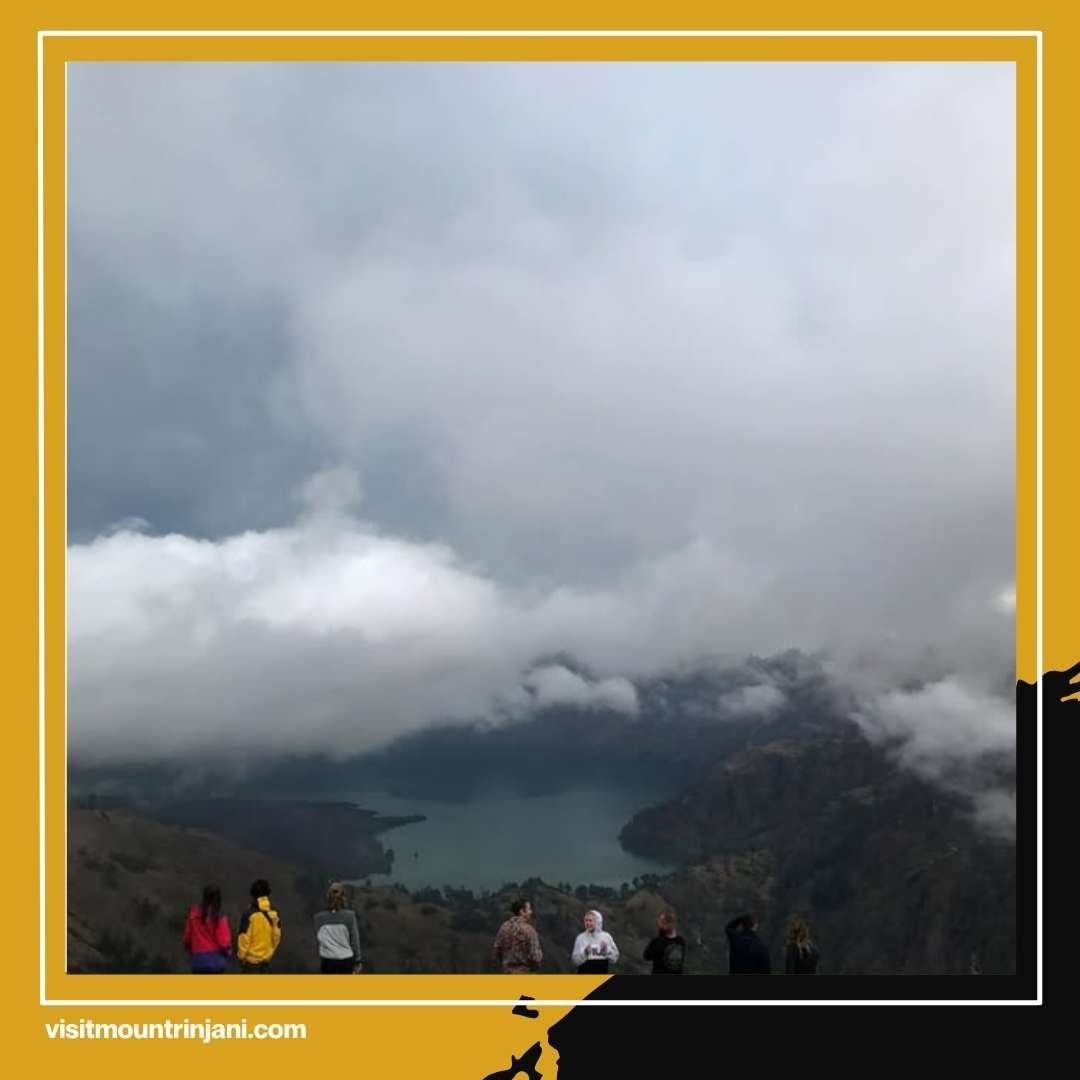
The dry season generally offers more stable and predictable temperatures, making it the preferred time for trekking. During this period, nights tend to be colder but conditions are clearer.
In contrast, the rainy season brings more humidity and less predictable weather. While temperatures may feel slightly warmer, trekking conditions become more challenging due to slippery trails.
6. Early Morning Summit Push Is The Coldest Time
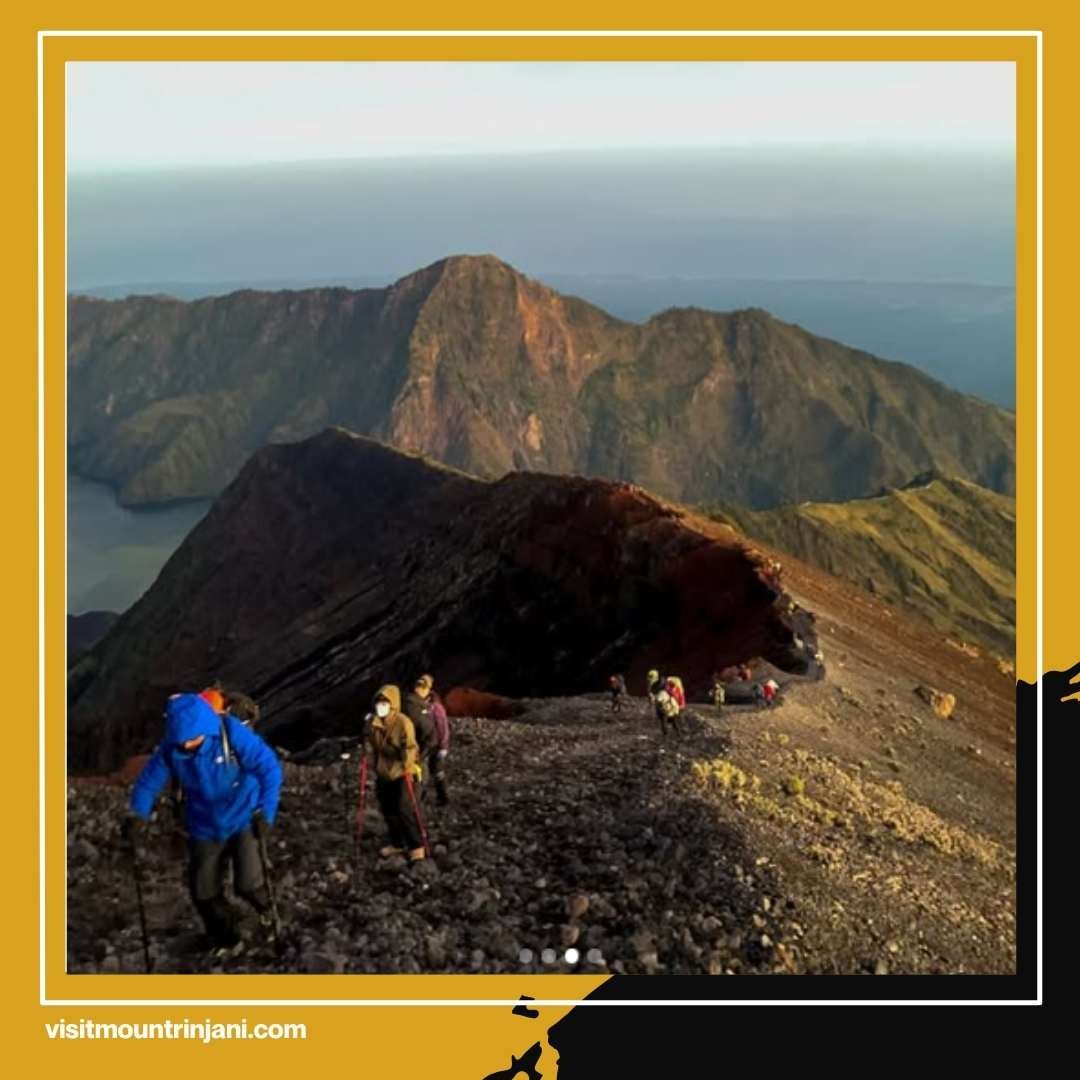
Most summit attempts begin around 2 or 3 AM, when temperatures are at their lowest. This timing ensures trekkers reach the peak for sunrise, but it also means facing extreme cold.
Preparing for this phase is critical, as fatigue combined with low temperatures can be physically demanding. Proper layering and mental readiness play a key role in success.
How To Prepare For Rinjani Temperature
Preparation is the key to enjoying your Mount Rinjani adventure without unnecessary discomfort. Packing the right gear ensures you can handle both warm and cold conditions effectively.
Start with a layering system that includes moisture-wicking base layers, insulating mid-layers, and a waterproof outer layer. This combination allows you to adjust clothing based on temperature changes throughout the trek.
Additionally, bring essential accessories such as gloves, hats, and thermal socks. These small items make a significant difference when facing cold winds at higher elevations.
Best Time To Experience Comfortable Rinjani Temperature
The ideal time to trek Mount Rinjani is during the dry season, typically from April to November. During this period, weather conditions are more stable, skies are clearer, and temperatures are easier to manage.
April is a particularly good time, as the landscape remains lush from recent rains while offering relatively predictable weather. However, regardless of the season, temperature variations will always be part of the experience.
Common Mistakes Trekkers Make About Rinjani Temperature
Many first-time trekkers assume that because Indonesia is a tropical country, they will not encounter cold weather. This misconception often leads to inadequate preparation.
Another common mistake is underestimating the importance of proper gear. Lightweight clothing alone is not enough to handle the extreme conditions at higher altitudes.
Finally, some hikers fail to consider the impact of fatigue combined with cold temperatures. This combination can reduce performance and increase risks during the trek.
Why Understanding Rinjani Temperature Matters
Knowing the temperature conditions on Mount Rinjani is not just about comfort, it is about safety. Proper preparation helps prevent issues such as hypothermia, dehydration, and exhaustion.
It also enhances your overall experience, allowing you to fully enjoy the breathtaking scenery without being distracted by discomfort. From sunrise at the summit to relaxing moments by Segara Anak Lake, every part of the journey becomes more memorable when you are well-prepared.
Ready for the Ultimate Trek? Let’s Reach the Summit Together
Mount Rinjani offers one of the most diverse trekking climates in Indonesia, with temperature changes that can surprise even seasoned adventurers. From warm base camps to freezing summit conditions, every stage of the journey presents unique challenges. Understanding these variations is essential for a safe and enjoyable trek.
If you are ready to experience Mount Rinjani with expert guidance, trust a team that truly understands the mountain. Visit Visit Mount Rinjani, a professional trekking company with over 20 years of experience helping travelers create unforgettable adventures. Their expert guides, trusted by more than 10,000 international trekkers, ensure your journey is safe, enjoyable, and environmentally responsible.
Plan your trek now through their official website: https://www.visitmountrinjani.com/ Or get instant assistance via WhatsApp:
Contact us directly via WhatsApp:
Make your Mount Rinjani adventure truly unforgettable with the right preparation and the right team.