
Finding the best time to climb Rinjani is not just about checking the weather forecast, it is about unlocking an experience that can completely transform your journey. Many travelers rush into planning without realizing that timing can mean the difference between breathtaking views and a disappointing trek. Knowing when to go gives you access to clearer skies, safer trails, and unforgettable moments that only a few truly experience.
Local porters, who have spent years guiding hikers through every twist and turn of the mountain, quietly hold insights that most tourists never hear about. Their understanding goes beyond seasons and into subtle shifts in nature that affect your climb. If you want more than just a hike, and instead seek a life-changing adventure, then understanding this hidden knowledge is essential.
Why Timing Matters When Climbing Mount Rinjani
Mount Rinjani is one of the most stunning trekking destinations in Southeast Asia, but it is also a mountain that demands respect. The conditions can shift dramatically depending on the time of year, affecting everything from trail safety to visibility. Choosing the right season ensures not only a more enjoyable experience but also a significantly safer one.
Also Read: How Long to Climb Mount Rinjani Trek Duration Estimates from Basecamp to Summit
The dry season, which typically runs from April to October, is widely considered the ideal window for trekking. During this period, rainfall is minimal, trails are more stable, and panoramic views are often crystal clear. In contrast, the rainy season brings slippery paths, increased risk of landslides, and reduced visibility that can make the climb far more challenging.
The Best Time to Climb Rinjani According to Local Porters
Before diving into the details, it is important to understand that the best timing is not just about avoiding rain. Local porters evaluate multiple factors such as crowd levels, temperature, and wind patterns. Here are the key periods you should consider when planning your adventure.
1. April to May The Fresh Start of the Season
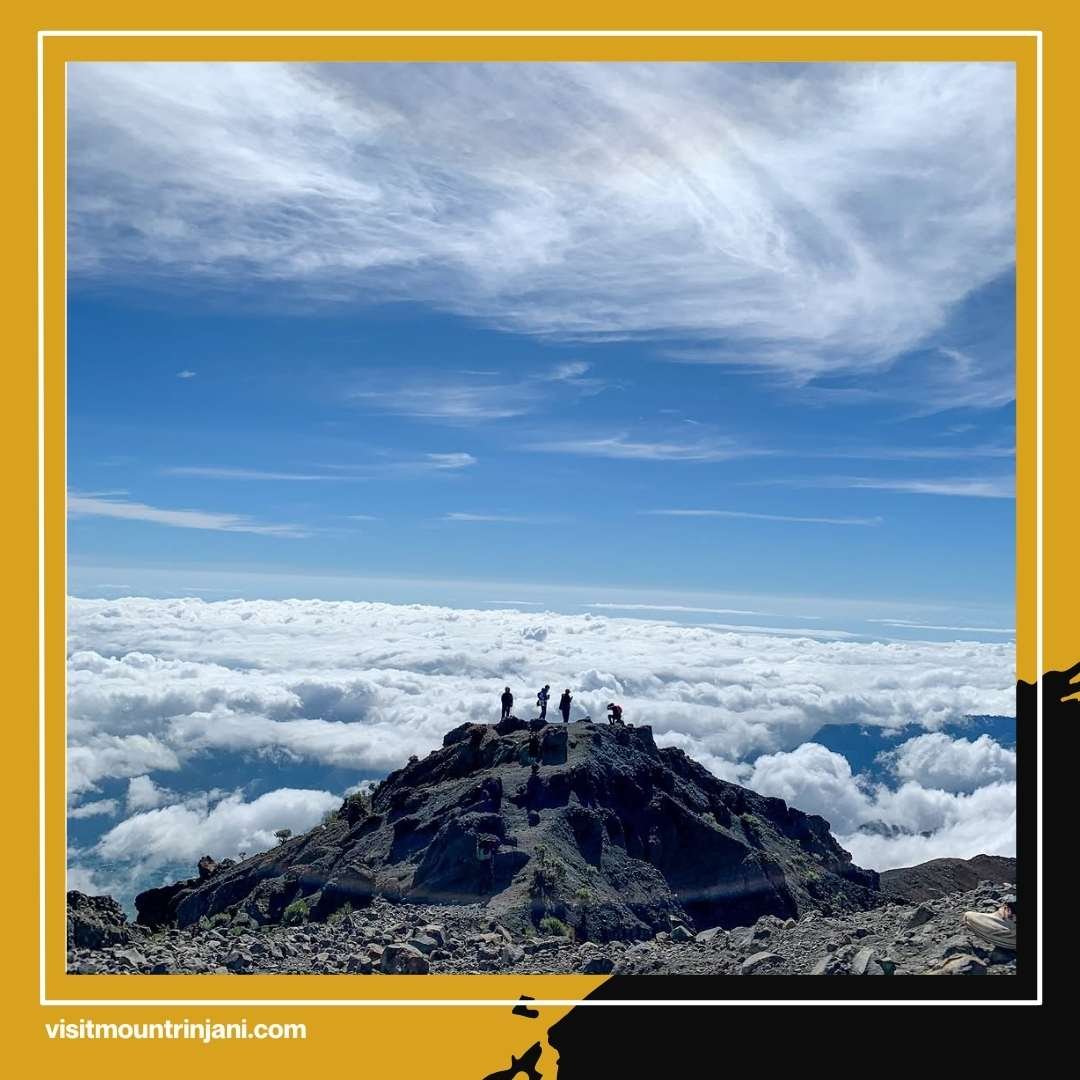
The early dry season offers a unique advantage for climbers who want a quieter and more refreshing experience. During these months, the mountain has just reopened after the rainy season, meaning the environment feels lush and revitalized. Trails are greener, and the scenery feels more alive compared to later months.
Another benefit is the relatively low number of hikers during this period. You can enjoy campsites without overcrowding and take in the views without distractions. For those who prefer a more peaceful and immersive journey, April to May is an excellent choice.
2. June to August Peak Season with Stunning Views
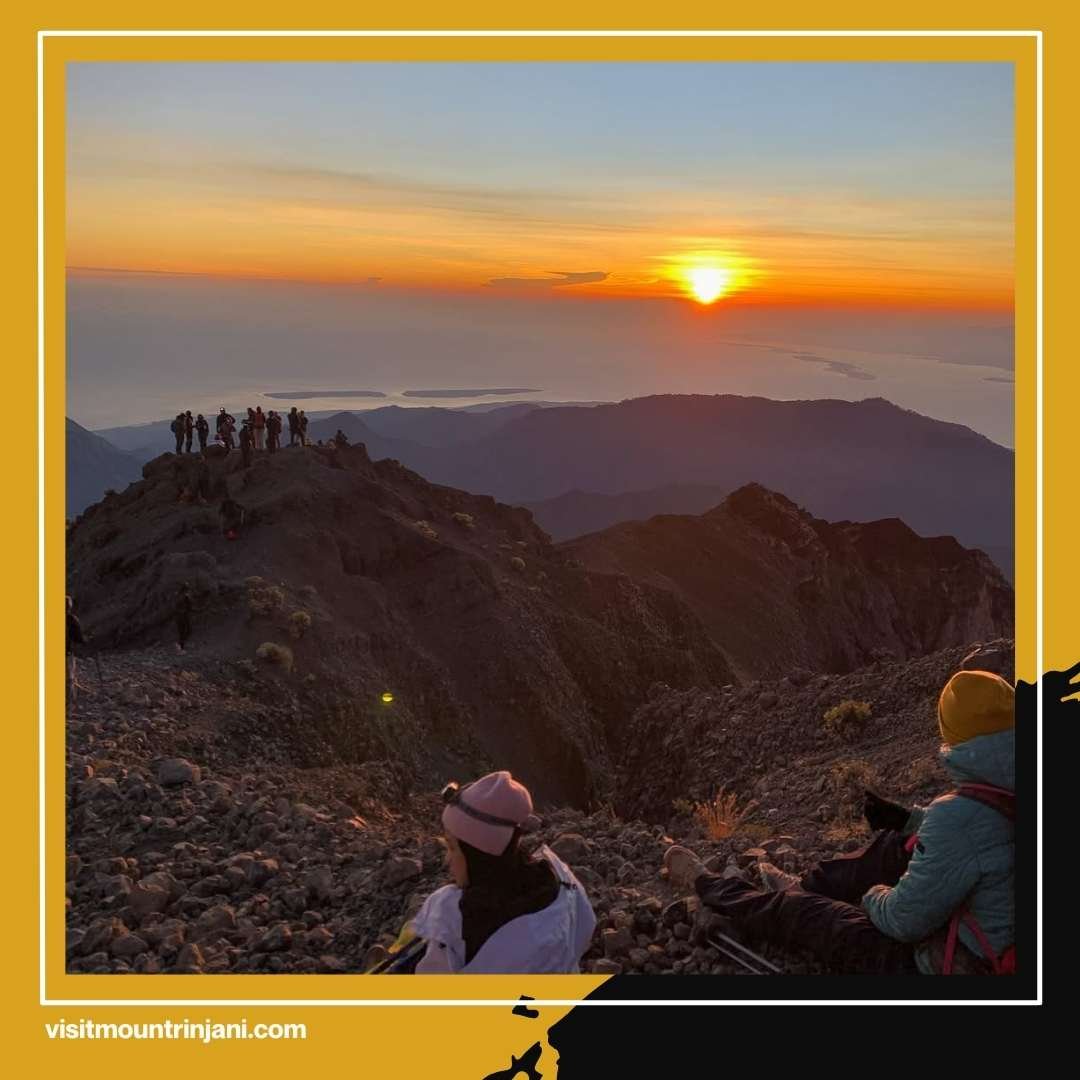
These months represent the most popular time for trekking Mount Rinjani, and for good reason. The weather is highly stable, with clear skies offering some of the best sunrise and sunset views you can imagine. Visibility is at its peak, making it ideal for photography and panoramic sightseeing.
However, the popularity of this period also means larger crowds on the trails. Campsites can become busy, and permits may sell out quickly. If you plan to hike during this time, early booking and preparation are essential to secure your spot.
3. September The Hidden Gem Month
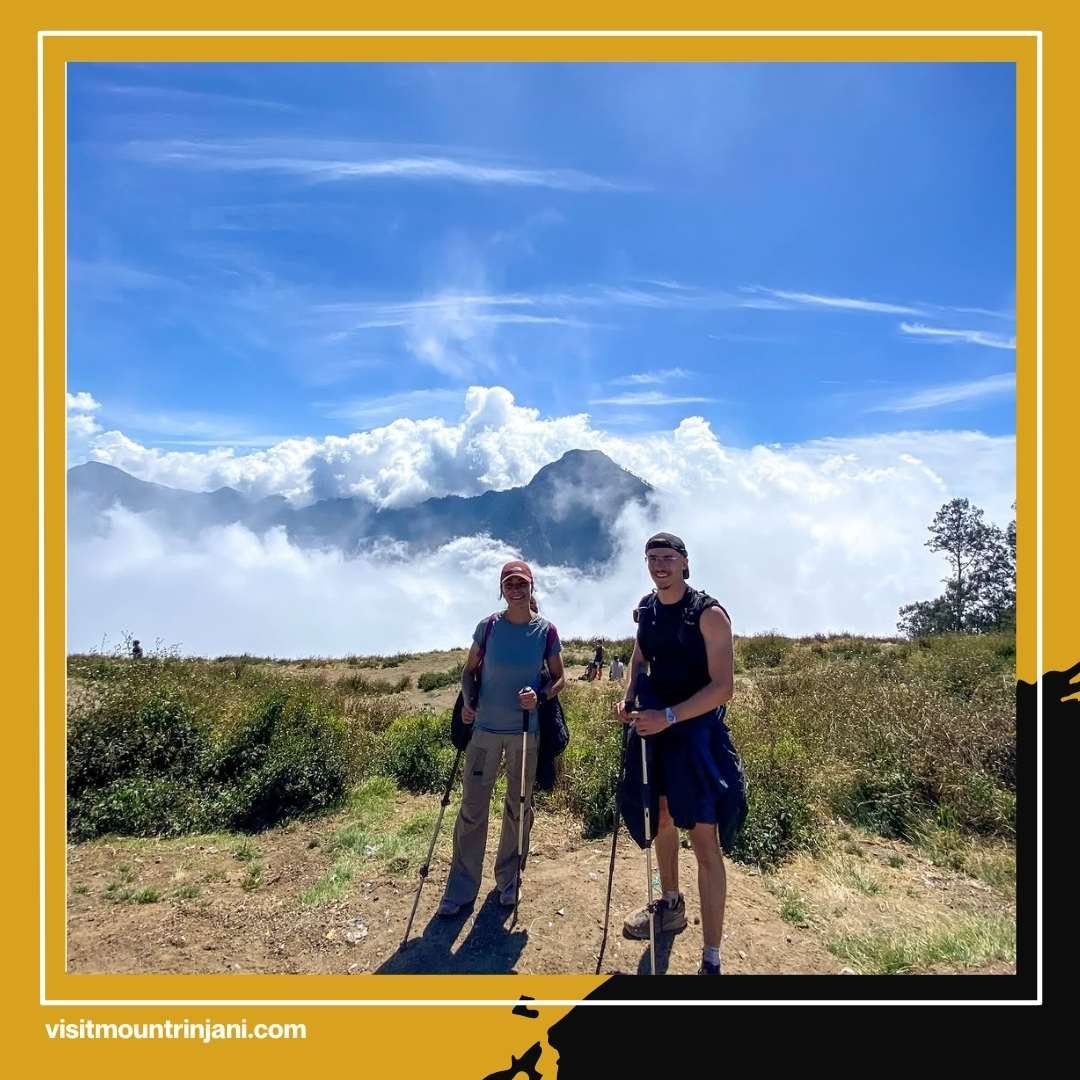
September is often considered a sweet spot by experienced porters and seasoned hikers. The weather remains dry and stable, yet the number of visitors begins to decrease. This creates a perfect balance between good conditions and a more relaxed trekking atmosphere.
The landscapes during September also take on a slightly different character. The greenery begins to transition, and the mountain offers a unique blend of vibrant and earthy tones. For those seeking both beauty and tranquility, this month is a top recommendation.
4. October The Last Chance Before the Rains
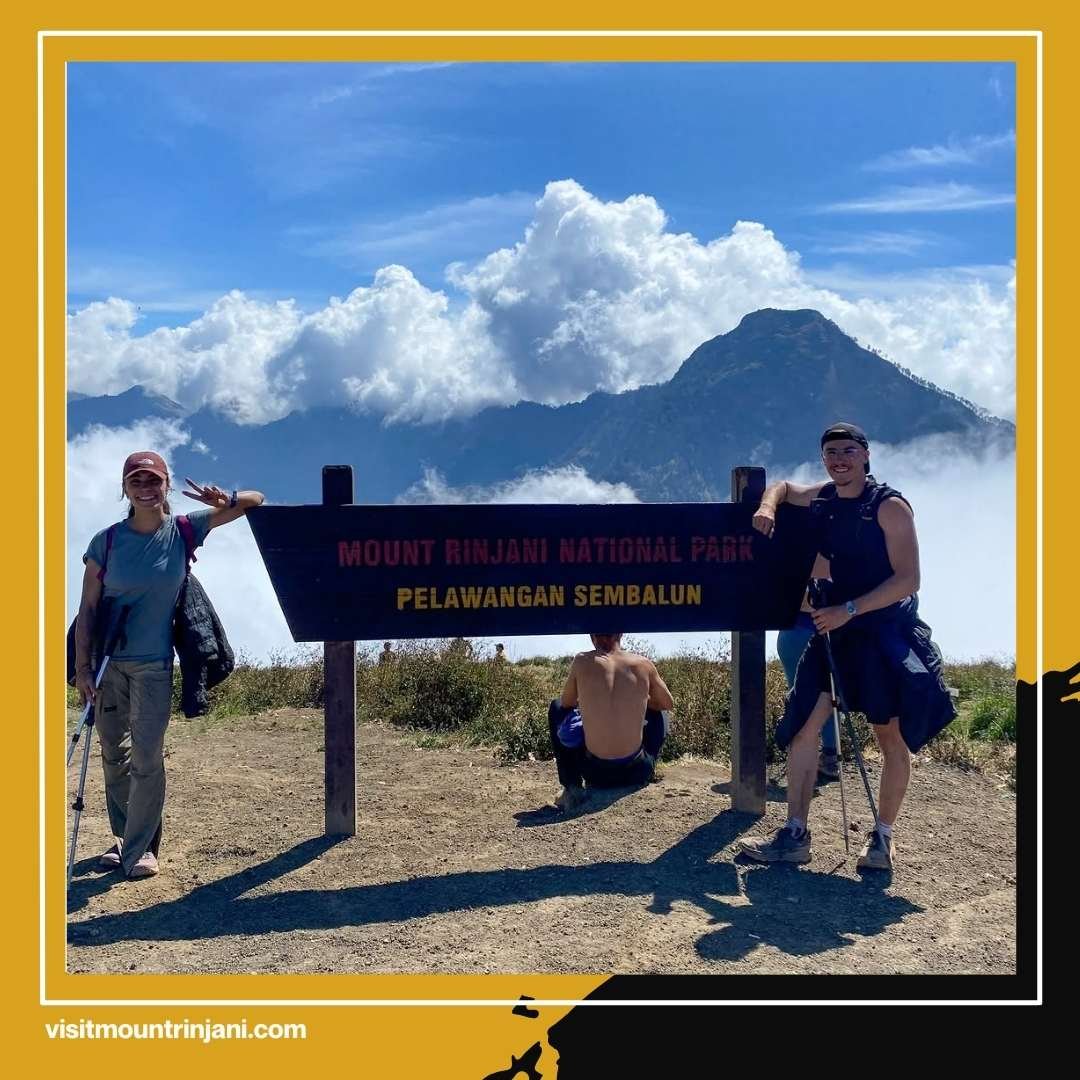
October marks the final stretch of the dry season, making it a great option for last-minute adventurers. The conditions are still generally favorable, though occasional weather changes can start to appear. It is important to stay updated on forecasts when planning your trip during this time.
Despite being the end of the season, October can still deliver incredible experiences. Fewer crowds and cooler temperatures create a comfortable trekking environment. It is an ideal time for those who want to avoid peak season while still enjoying decent weather.
5. Avoid November to March The Risky Rainy Season
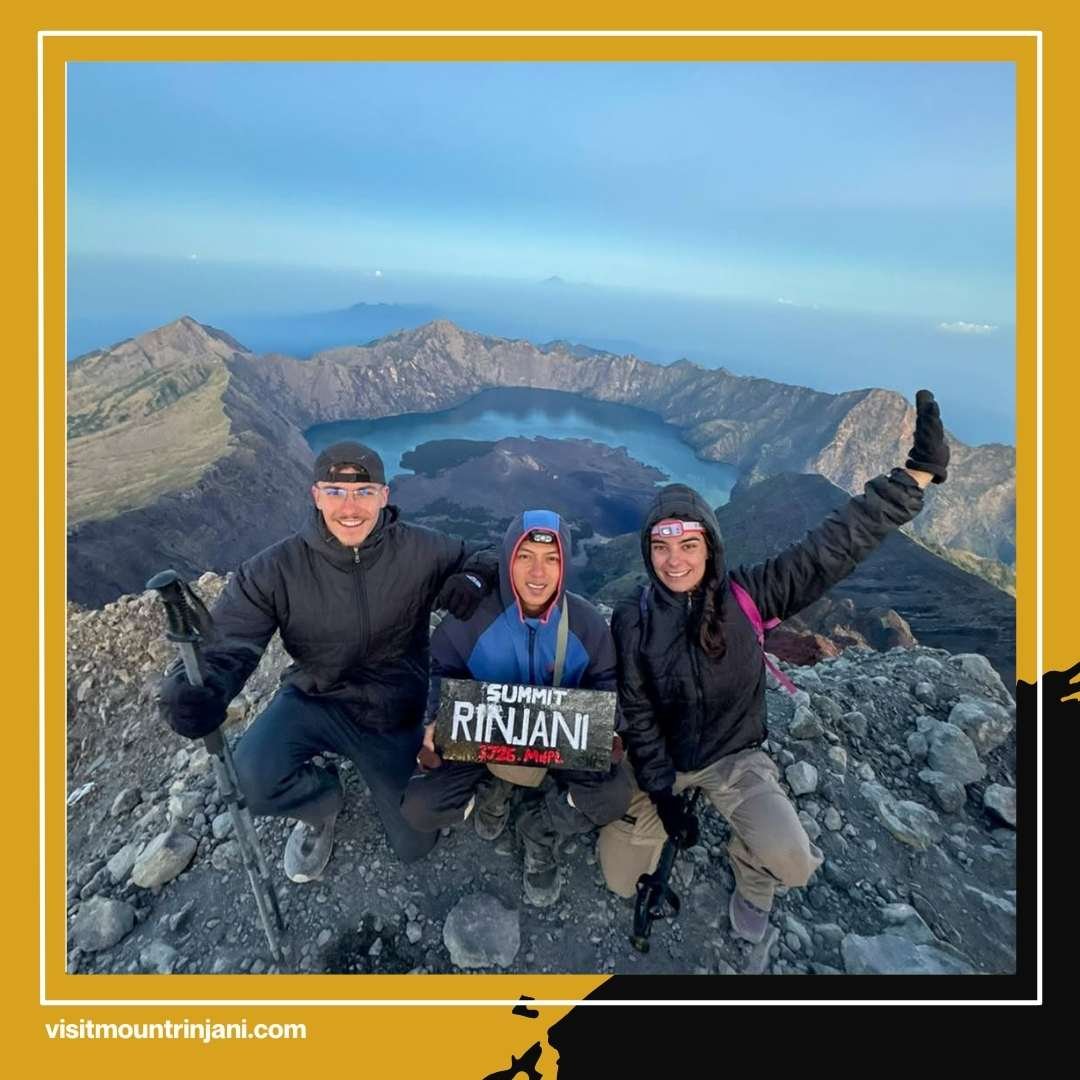
The rainy season is not recommended for climbing Mount Rinjani due to safety concerns. Heavy rainfall can make trails slippery and dangerous, increasing the risk of accidents. In many cases, official trekking routes are closed during this period to protect both hikers and the environment.
Additionally, visibility during the rainy months is often poor, limiting your ability to enjoy the breathtaking scenery. Clouds frequently cover the summit and surrounding landscapes, reducing the overall experience. For these reasons, it is best to avoid planning your trek during this time.
Additional Factors That Influence the Best Time to Climb Rinjani
While the season is the most critical factor, there are other elements that can influence your experience. Understanding these details can help you plan a more personalized and enjoyable trip.
Temperature is one of the key considerations, especially at higher altitudes. Nights on the mountain can be extremely cold, even during the dry season. Bringing appropriate gear ensures that you stay comfortable throughout the journey.
Wind conditions also play a significant role, particularly near the summit. Strong winds can make the climb more challenging and affect visibility. Checking weather updates and consulting experienced guides can help you prepare for these conditions.
Tips from Local Porters for the Perfect Trek
Local porters emphasize that preparation is just as important as timing. Even during the best season, proper planning can make a huge difference in your overall experience. Packing the right equipment, staying hydrated, and maintaining a steady pace are all essential for a successful climb.
They also recommend starting your trek early in the morning to take advantage of cooler temperatures. This approach not only makes the hike more comfortable but also allows you to enjoy the scenery as it gradually reveals itself. Listening to experienced guides can help you avoid common mistakes and enhance your journey.
The Most Reliable Way to Explore Mount Rinjani
Choosing the best time to climb Rinjani is the foundation of an unforgettable adventure. By aligning your trip with the dry season and understanding the subtle insights shared by local porters, you can transform your trek into a truly extraordinary experience. Timing is not just a detail, it is the key to unlocking the full beauty and challenge of the mountain.
If you are ready to plan your journey, trust a team that understands Mount Rinjani inside and out. Visit the official website at https://www.visitmountrinjani.com/ to explore trekking packages and detailed information. You can also contact the team directly via WhatsApp:
Contact us directly via WhatsApp:
to start planning your adventure today.
With over 20 years of experience, Visit Mount Rinjani has guided thousands of international travelers through the most popular routes including Torean, Sembalun, and Senaru. Their dedicated guides and porters not only ensure your safety but also help preserve the mountain by responsibly managing waste. Let your journey become more than just a hike, make it a memory that lasts a lifetime.